
The Importance of Water Storage for Emergency and Doomsday Preppers
Water is the cornerstone of life, yet in modern society, its accessibility is often taken for granted. For emergency and doomsday preppers, however, water storage is a fundamental component of any preparedness strategy. When disaster strikes, whether it’s a natural calamity, a grid failure, or a societal collapse, the availability of clean, potable water can mean the difference between life and death. This article delves into the critical importance of water storage and explores various storage vessel options, with a particular focus on stainless steel tanks and kegs as an optimal choice for preppers.
Why Water Storage Is Crucial
The average human can survive only about three days without water. Beyond hydration, water is essential for cooking, hygiene, and even basic medical care. In an emergency scenario, local water supplies may become contaminated or inaccessible. Flooding, power outages, or infrastructure damage can disrupt municipal water systems. Stockpiling water ensures you and your loved ones can maintain a semblance of normalcy in the face of adversity.
According to FEMA, each person should have at least one gallon of water per day for drinking and sanitation. For a family of four, this translates to 12 gallons for a three-day emergency supply. However, for long-term scenarios, preppers often aim to store significantly larger quantities, making the choice of storage vessels critical.
Types of Water Storage Vessels
Water storage solutions come in various forms, each with its advantages and disadvantages. Let’s explore the most popular options and highlight why stainless steel tanks and kegs stand out as a superior choice.
1. Plastic Containers
Plastic containers, such as BPA-free water barrels or jerry cans, are widely used due to their affordability and portability. These containers are lightweight, easy to handle, and come in various sizes ranging from a few gallons to 55-gallon drums.
Pros:
-
- Affordable
- Lightweight
- Widely available
Cons:
-
- Susceptible to UV degradation over time
- Potential leaching of chemicals
- Limited lifespan
2. Glass Containers
Glass jars or bottles are another option for water storage. They are non-reactive and won’t leach chemicals into the water, making them ideal for short-term storage.
Pros:
-
- Non-reactive
- Esthetically pleasing
- No plastic or flavor leaching
Cons:
-
- Fragile
- Heavy
- Impractical for large-scale storage
3. Stainless Steel Tanks and Kegs
Stainless steel storage tanks and kegs offer unparalleled durability and reliability, making them an excellent choice for serious preppers. Unlike plastic or glass, stainless steel is highly resistant to corrosion, does not leach chemicals, and can withstand extreme environmental conditions.
Pros:
-
- Durability: Stainless steel tanks are built to last for decades. They are resistant to rust, corrosion, and physical damage, even in harsh environments.
- Hygiene: The non-porous surface of stainless steel prevents the growth of bacteria, mold, and algae, ensuring the water remains safe to drink.
- Chemical Resistance: Unlike plastic, stainless steel does not absorb or release any chemicals, preserving the purity of the stored water.
- Thermal Stability: Stainless steel can handle a wide range of temperatures, making it suitable for various climates and storage conditions.
- Reusability: Stainless steel kegs are reusable and easy to clean, reducing waste and long-term costs.
- Functionality: Many stainless steel vessels like brewing fermenters, brite tanks or kegs can be pressurized and outfitted with a wide range of fittings. This will allow you to pump and have a pressurized water system if needed. Brewer fermenters can be very expensive, while water storage kegs make a much more affordable option and can still be pressurized the same.
Cons:
-
- Higher upfront cost compared to plastic or glass.
- Heavier and less portable than plastic containers.
Why Stainless Steel Stands Out
While the initial investment in stainless steel storage tanks or kegs may seem steep, their long-term benefits far outweigh the costs. A single stainless steel tank can last a lifetime with proper care, whereas plastic containers often need replacement every few years due to wear and degradation. Additionally, the peace of mind that comes from knowing your water is stored safely, not in contact with harmful plastics, and can be airtight sealed, keeping the water uncontaminated is invaluable.
Applications for Preppers
- Long-Term Storage: Large stainless steel tanks are ideal for long-term storage. They can be installed above ground or buried underground for added protection.
- Portable Solutions: Stainless steel kegs or smaller tanks are perfect for short-term emergencies or as part of a bug-out kit. Their durability ensures they can withstand the rigors of transport. Kegs come in a variety of styles and sizes. Generally 5 gallon or 15.5 gallon. The come in many different styles, many with removable lids to allow you to easily clean and fill when needed.
- Rainwater Harvesting: Stainless steel tanks are excellent for collecting and storing rainwater. Their resistance to rust and corrosion makes them a reliable choice for outdoor use.
Tips for Effective Water Storage
- Choose the Right Location: Store your water in a cool, dark place to minimize the risk of algae growth and chemical reactions.
- Regular Maintenance: Clean and sanitize your storage tanks periodically to ensure water quality.
- Rotate Your Supply: Even with durable storage solutions, it’s wise to rotate stored water every six months to ensure freshness.
- Use Water Preservers: Add food-grade water preservatives to extend the shelf life of your stored water, especially for long-term storage.
Conclusion
Water storage is a non-negotiable aspect of emergency preparedness. While there are many options available, stainless steel storage tanks and kegs offer unparalleled reliability, durability, and safety. For preppers looking to build a robust and long-lasting water storage system, investing in stainless steel is a decision that will pay dividends for years to come. Remember, in times of crisis, the true value of clean water cannot be overstated. Make the right choices today to ensure your survival tomorrow.
Our Top Picks
When considering all the pros and cons for all the different style of water storage systems our favorite option are stainless steel kegs. While the price-tag on plastic storage vessels looks appealing, we never like to use plastic products, especially for long term storage. The potential for chemicals leaching into the water is scary. Stainless steel kegs are made of food grade 304 Stainless steel and will last a lifetime if taken care of properly.
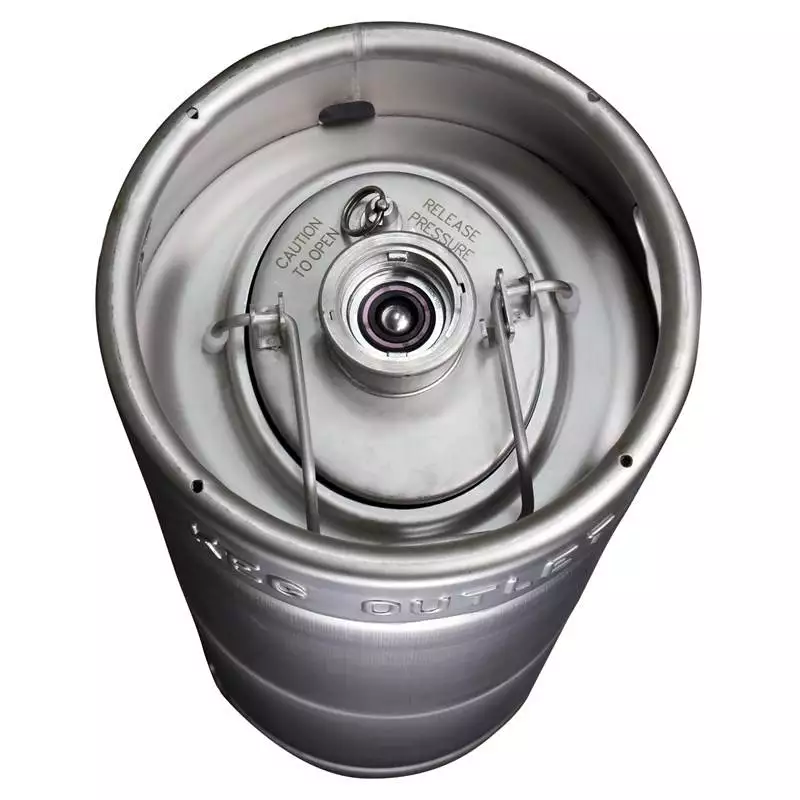
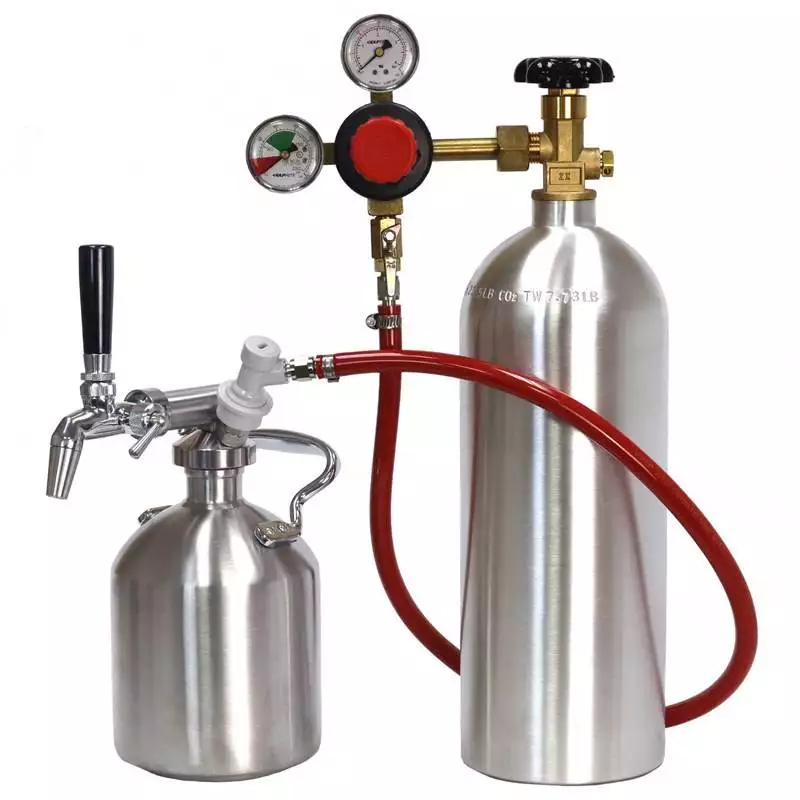
With that said, there are a variety of kegs on the market. Your standard brewery keg, also know as a Sanke D keg, is not the best option for the average prepper. These kegs do not have a removable lid on the top, making them hard to fill and clean. We would recommend a hybrid kegs, which offer the same style connection as a standard brewery keg, but has a large lid on top allowing you to easily, open, fill and clean as needed. We also have smaller stainless steel growlers available in a variety of sizes from 1/2 Gallon up to 2 Gallons in size if you are looking for something more portable.

Check out our stainless steel water carbonation systems as well!



Leave a Reply